
News

Celebrating 30 Years in 3D
This past August marked a significant milestone for us at Trinity Animation as we celebrated our 30th anniversary in the world of 3D! It’s hard to believe how far we’ve come since our humble beginnings. Our founder, Jim Lammers, embarked on this creative journey three decades ago, starting the company in the […]
Trinity Animation – Join Us For Our 2022 Open House
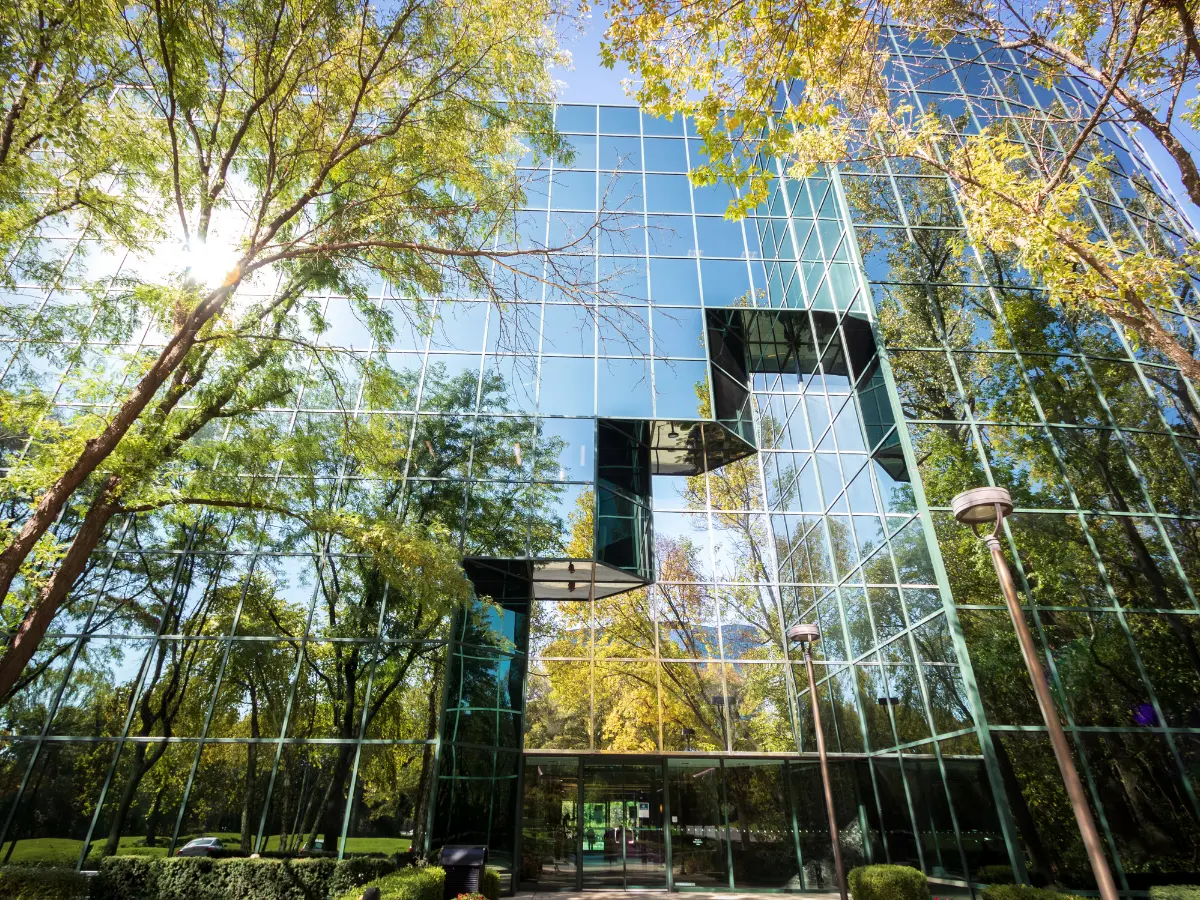
Join us on June 23rd from 5-7 pm for Trinity Animation’s Open House Extravaganza! Enjoy an evening of free refreshments, and networking opportunities all while learning more about one of Kansas City’s premiere animation studios. With work ranging from advanced technical animations to background for the hit FXX show Archer, Trinity Animation has been […]
Trade Show Animation – Trinity Animation Project
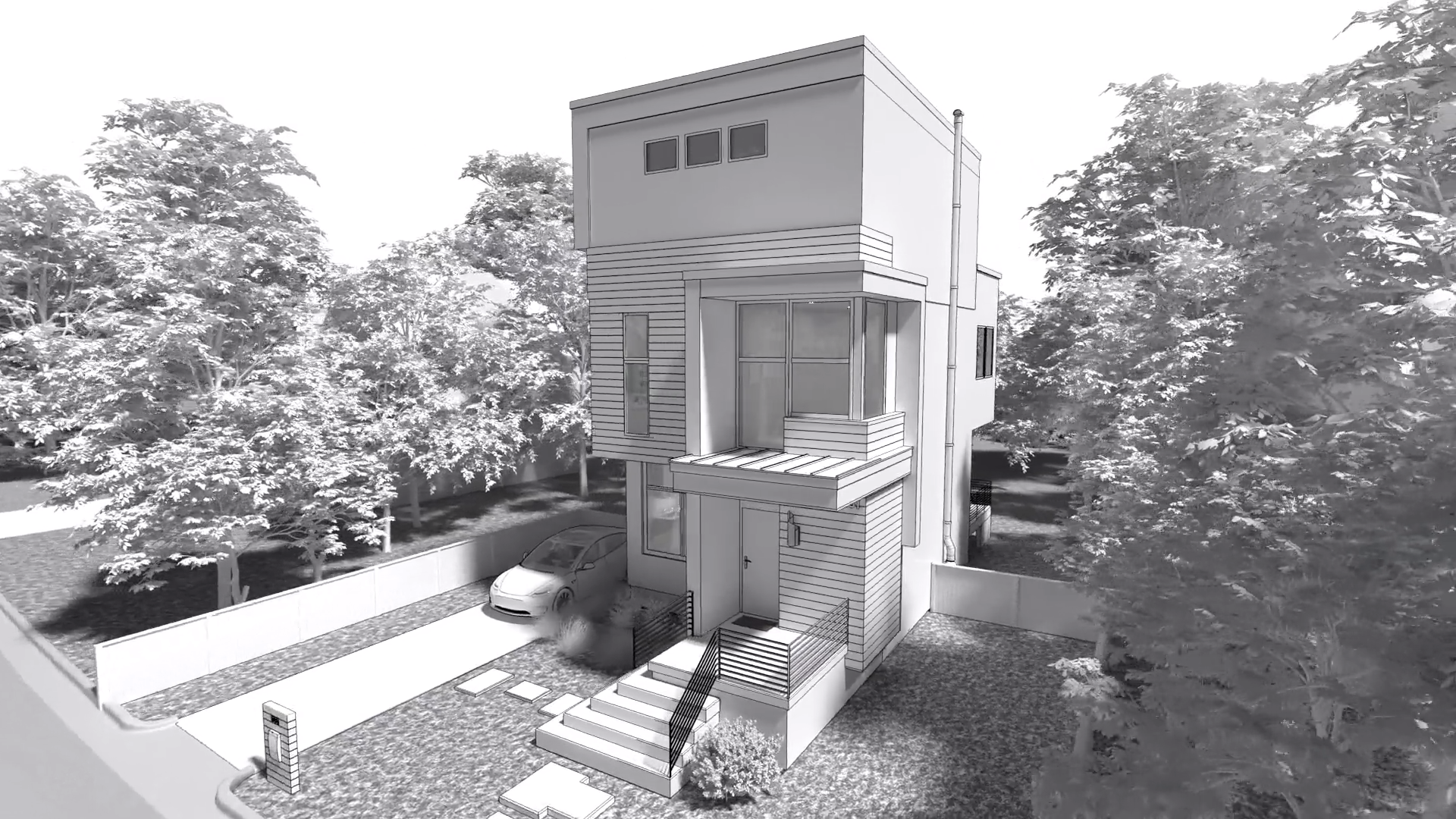
Trinity Animation artists recently created this trade show animation for a company called Fantech. Founded in 1981 they’ve been focused on home and business air quality solutions. Recently they needed a stylish and educational animation for a Trade Show they were going to be attending so they contacted Trinity Animation. Their animation required something we […]
Medical Animation Reel – 2020
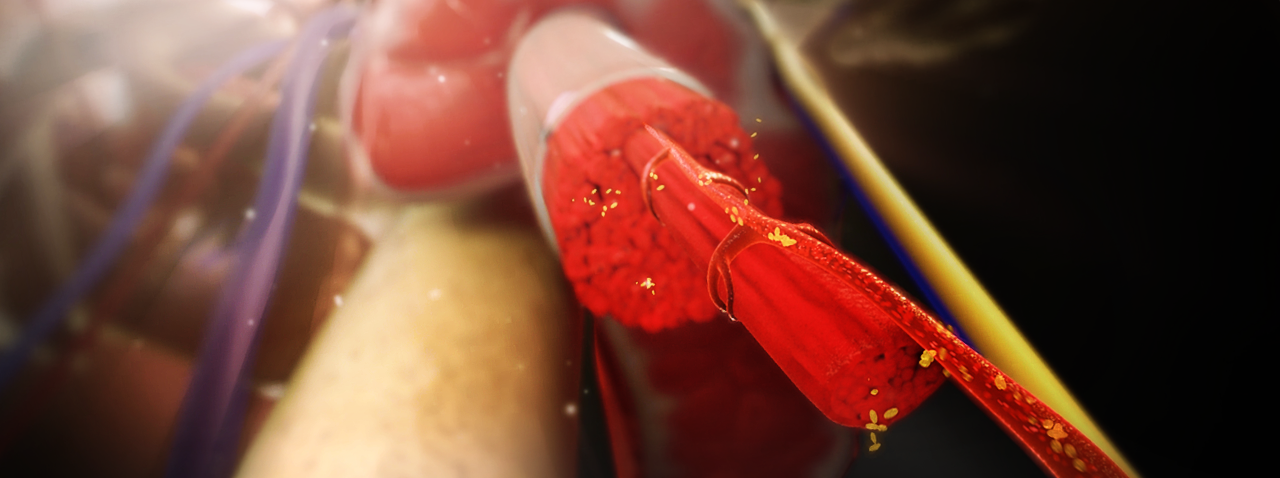
From the smallest proteins to life-saving surgical procedures, this medical animation reel showcases Trinity’s recent photo-realistic and illustrative medical animation and rendering. The video includes a mix of medical product marketing and beauty rendering, full process animations, and illustrative animations. Trinity creates stunning still images and movies for medical and nursing related authors, publishers, surgeons, […]
VR Anatomy Project Diary – Mozilla Grant Progress
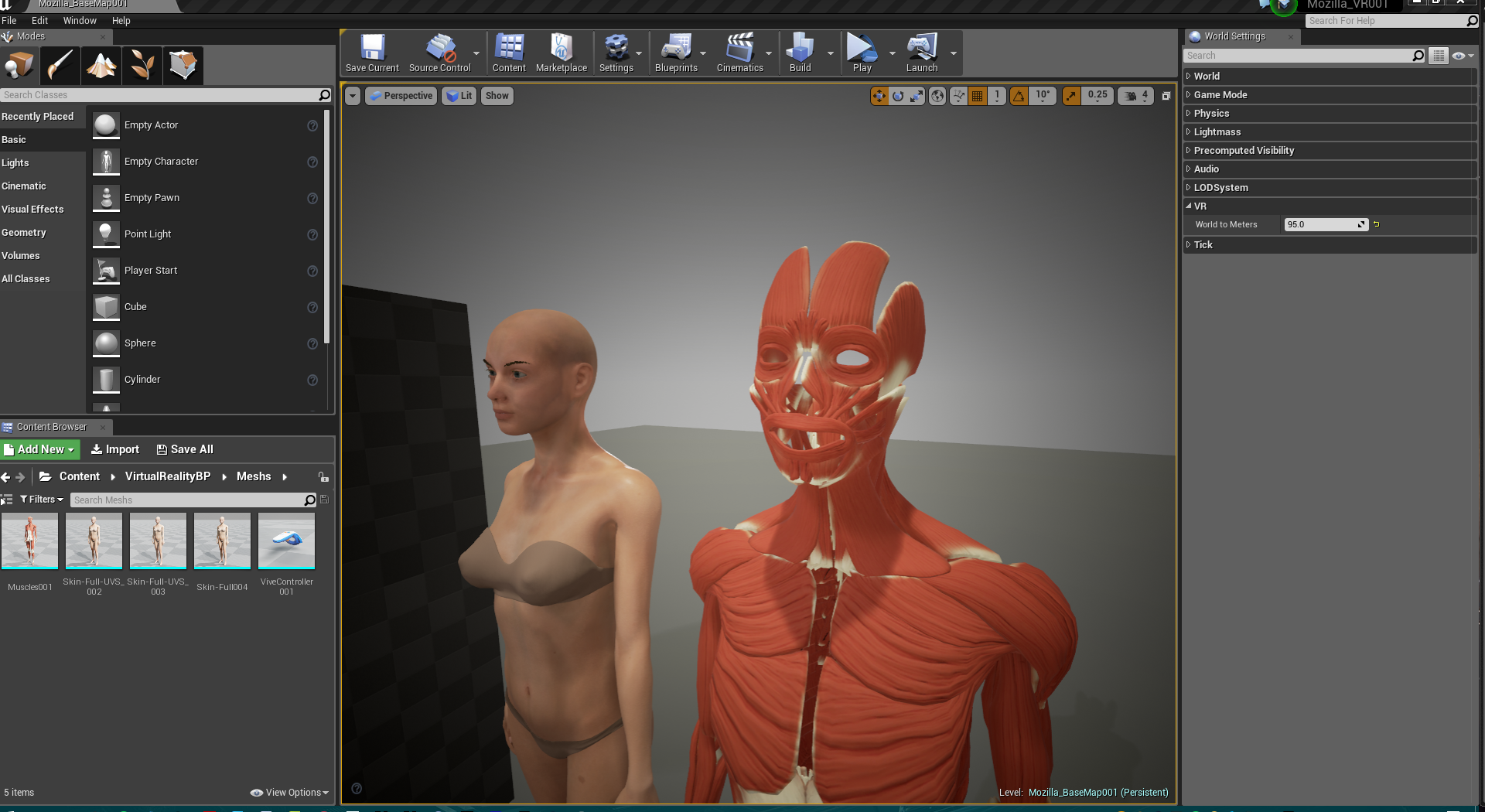
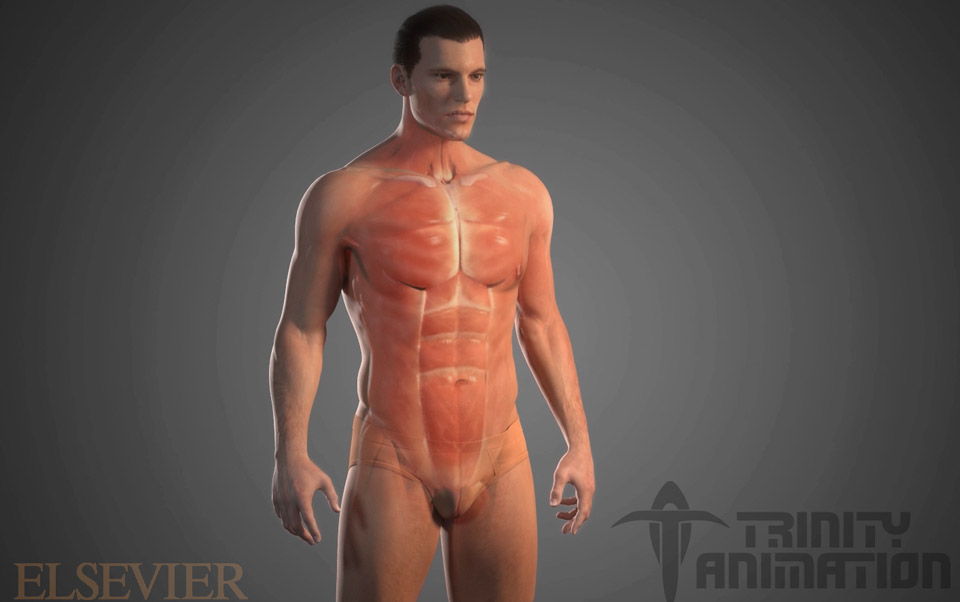
This blog will update each time we post an update to our progress on the Mozilla Gigabit Grant for our VR Anatomy Project. March 29, 2017 Update: Major advances on this update, including full hair, eyelashes and eyebrows on human, with realistic shading idle movement of human character all internals imported and textured: skeleton, muscles, organs, […]
Mozilla Gigabit Grant for Trinity Animation’s VR Medical Education
We’re pleased to announce that we have won a grant from Mozilla and the National Science Foundation to create a Virtual Reality simulator for realtime human body exploration and VR medical education! This project will leverage Trinity’s very high quality anatomical models to create a realtime anatomical experience. The project will take advantage of gigabit […]
Animation Career Tips and Information
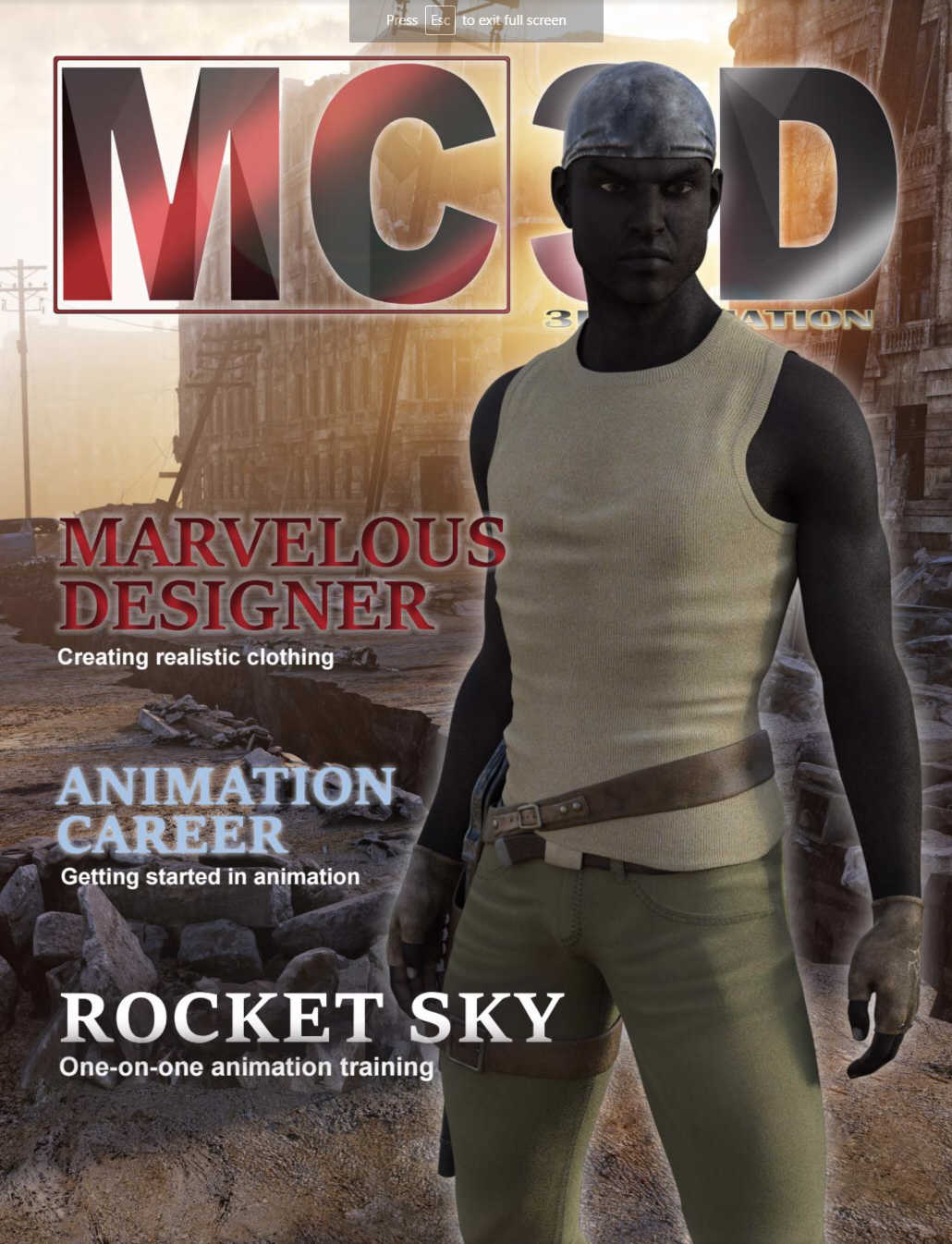
Advice for an animation career from a 3D animation studio owner. Helpful info for the aspiring animator on learning the craft and on getting hired.
The Art of Archer Book Released
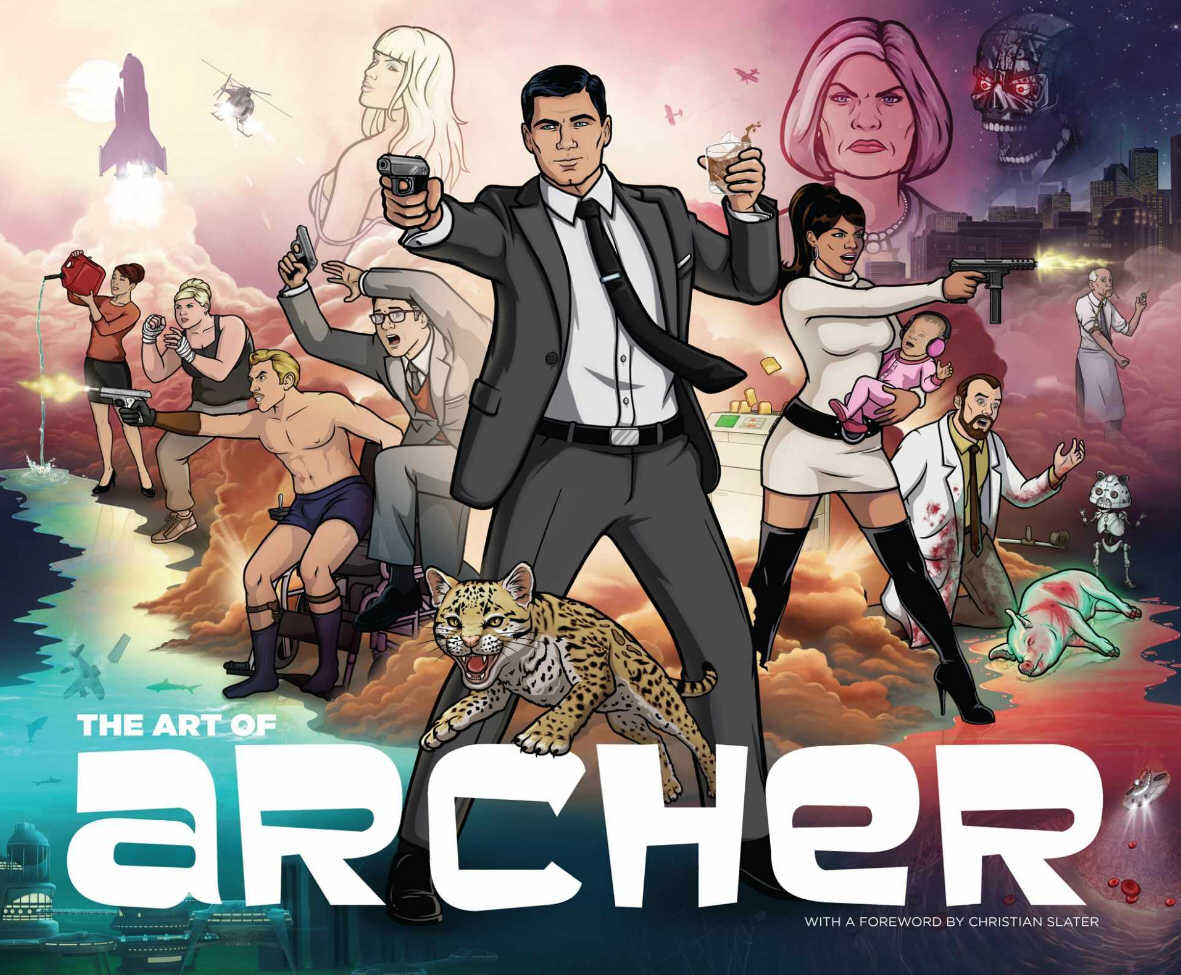
Archer Background Art Explained Just in time for the holidays, a great new coffee-table book on the Art of Archer is available for sale in fine bookstores across the United States as well as Amazon. Featuring several pages on environment development and Trinity’s role in creating Archer background art, this new book will answer the […]
Animation Magazine: Best Technical Animation Studios
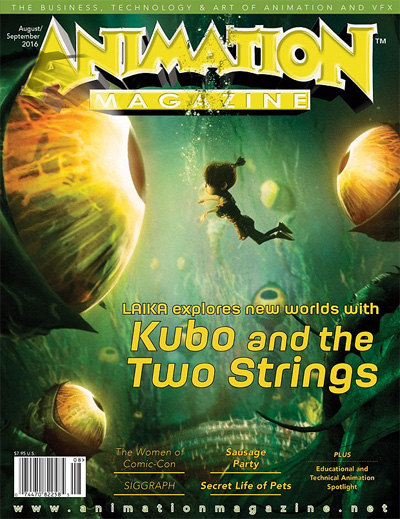
Animation Magazine recently published an article featuring firms that focus on the non-entertainment areas of animation. Movies, TV and visual effects dominate the magazine’s coverage of the industry, purely for the entertainment value and reader interest. Learning about the making of “Iron Man” is more interesting than learning about the inner workings of an iron. But, […]

Certified Professional Animators at Trinity Animation
3 New Certified Professional Animators and Licensed Trainers Trinity Animation takes a very active role in mastering the software it uses for 3D animation and rendering. Several of Trinity’s staff has been awarded the status of Certified Professional Animators by Autodesk in relation to their mastery of 3ds Max software. Matt Tyree and Travys Keto […]

Trinity 2015 Christmas Card Revealed
Every year Trinity Animation mails out 300 or more greeting cards at Christmas time, a chance to send well wishes and to show our holiday spirit with a new 3D rendered illustration! Trinity’s 2015 Christmas card design continues with an elf avatar for each of Trinity’s employees – a theme that began a few years […]

Trinity Welcomes New Animator, Mallory Dorn
Trinity welcomes Mallory Dorn to the animation team! Originally from Saint Charles, Missouri, Mallory graduated from the Kansas City Art Institute with a BFA in Animation and Art History. She specialized in traditional hand drawn animation which led to freelance work as a comic artist. She currently has two published comics including “Border Wars.” When […]
Midwest Animation Studio Featured in LS Lifestyle
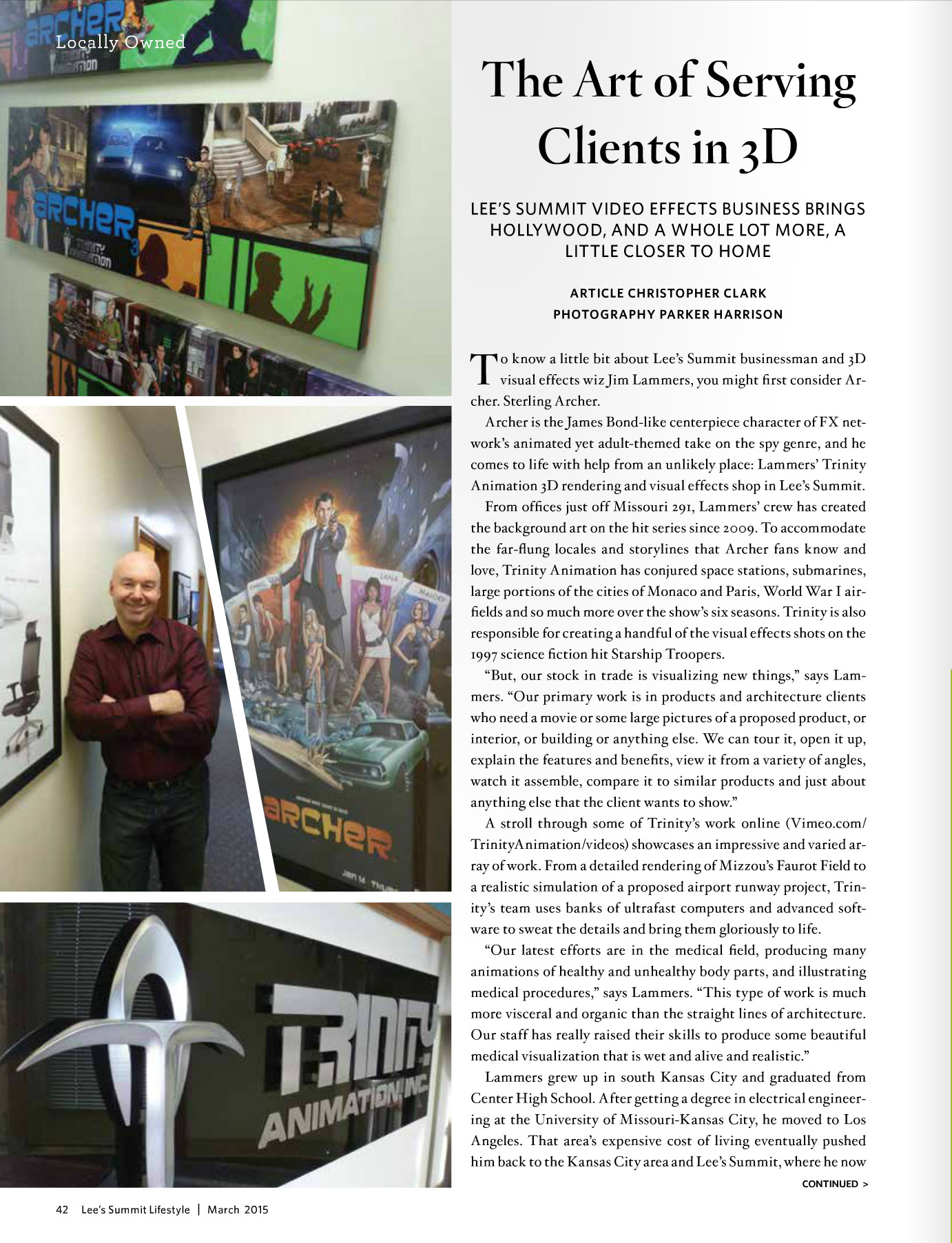
This article on midwest animation studio Trinity Animation was published in the March 2015 issue of Lee’s Summit Lifestyle Magazine. THE ART OF SERVING CLIENTS IN 3D Lee’s Summit video effects business brings Hollywood, and a whole lot more, a little closer to home By Christopher Clark Photography by Parker Harrison To know a little […]

2014 Christmas Card’s Cute 3D Character Renderings
Trinity’s 2014 Christmas card design is now revealed, and it includes a variety of cute 3d character renderings. The cover is a snow-man and his two little friends, tossing his hat into the air to celebrate the holiday. The felt trees in the background are styled like the “Rudolph the Red-Nosed Reindeer” Rankin-Bass stop motion animations of […]
Trinity Animation on Velocity Channel’s “Corvette Nation”
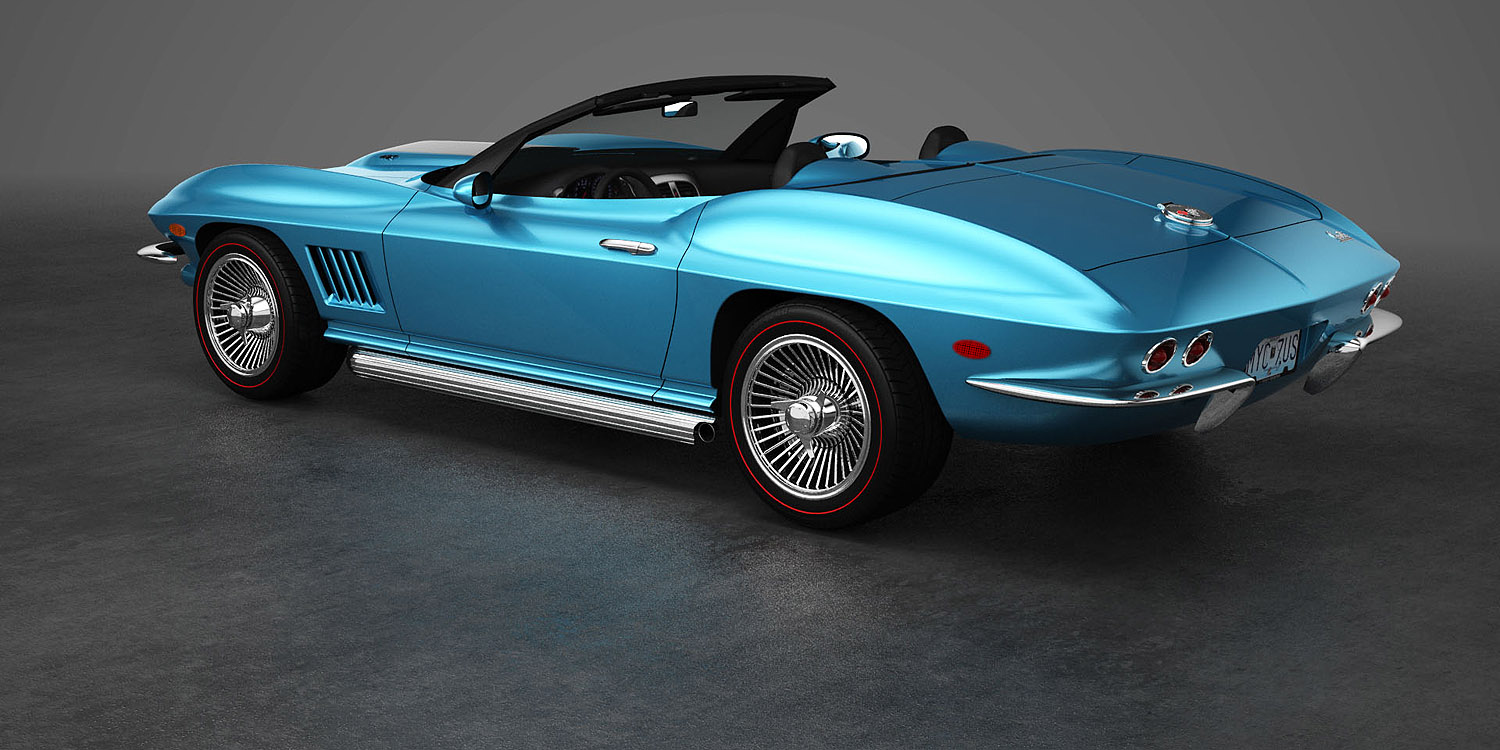
Trinity Animation’s pre-visualization of the 1967 series rebody design by Classic Reflection Coachworks is airing on each episode of the Velocity Channel’s Corvette Nation TV Series. Classic Reflection Coachworks is a key sponsor of the show, and was featured in detail on the second episode of the new season. After Trinity’s pre-viz of the C7 design […]
New Seasons of Archer and Chozen
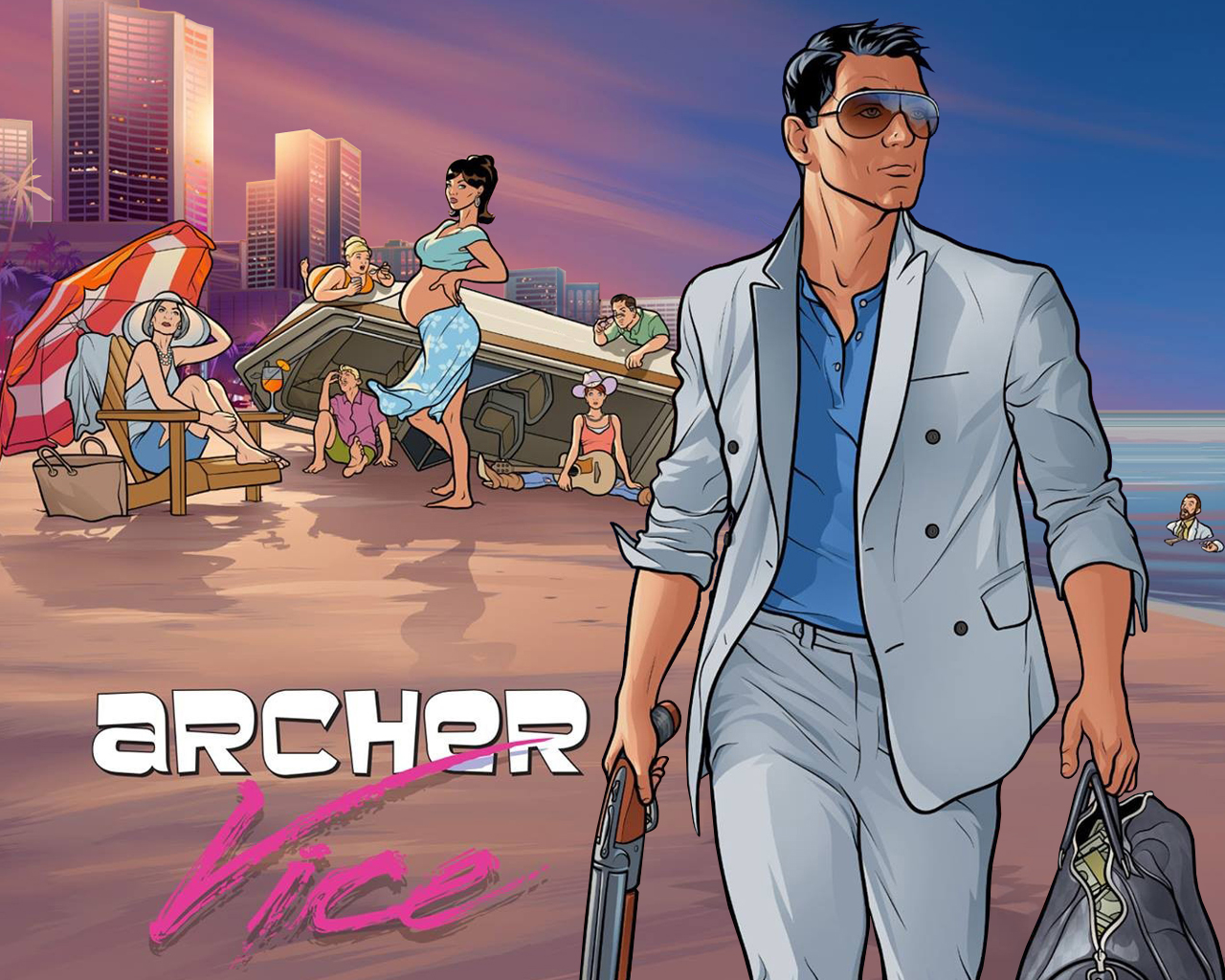
Archer Season 5 Trinity Animation has produced background art for the hit FX series Archer for four seasons now, and the fifth season is about to start. Archer Season 5 will premiere on January 13 – a Monday – at 10pm/9pm Central Time. The show used to air on Thursdays. Another new series with Trinity […]
Trinity’s 2013 Christmas Card
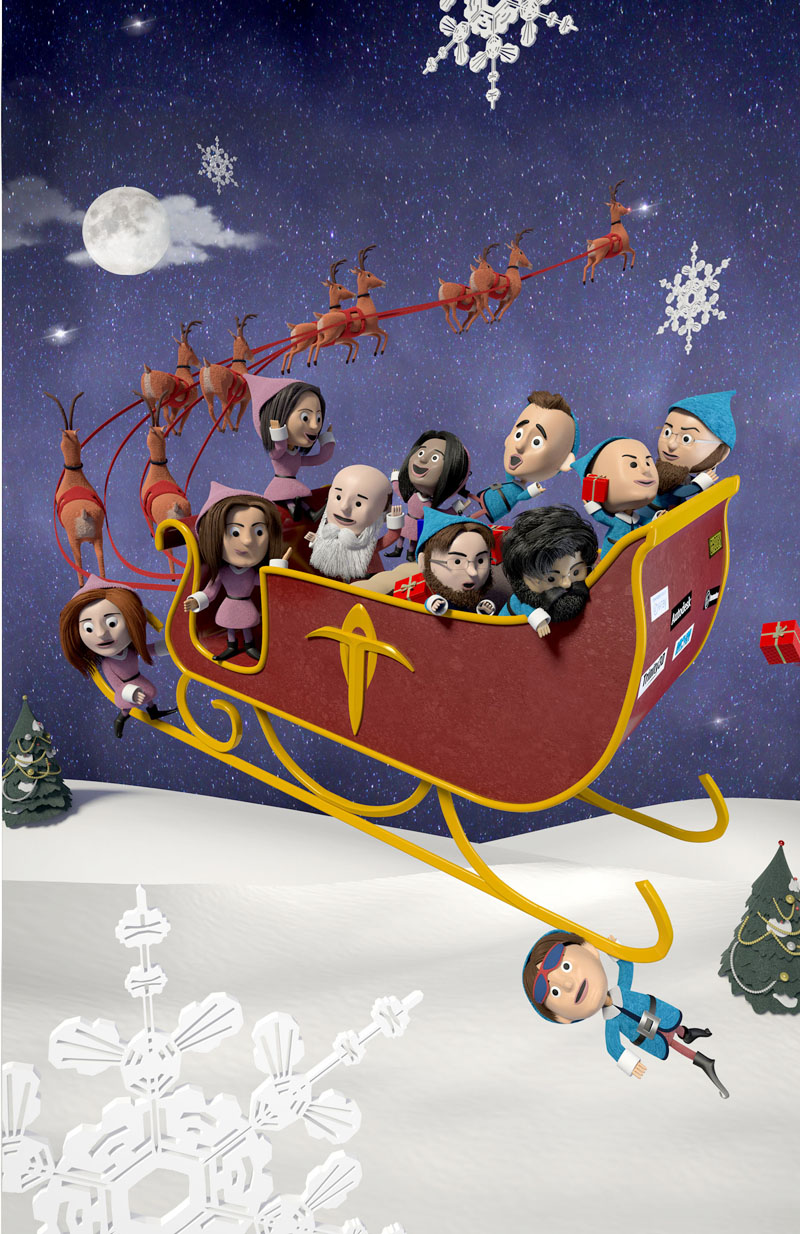
Roses are red, violets are blue. I wrote this on my sled, under the cool blue…igloo! Each year the team at Trinity Animation collaborates to create entertaining 3d illustrations in a Christmas setting to share our holiday spirit. The concept for Trinity’s 2013 Christmas card consists of the team portrayed as elves going for a […]

KCUR Radio Interview – Movie Special Effects
KCUR radio interviewed Trinity Animation founder and President Jim Lammers along with VFX wizard Bruce Branit on the topic of visual effects in movies. This show has a page on the KCUR web site. Current movie hits like “Pacific Rim” and “Despicable Me 2” are loaded with computer generated imagery (CGI). But did you know […]

Uncrossing the Wires: Technology Discussion at UMKC
Trinity founder Jim Lammers is a graduate of UMKC’s school of engineering, and was asked to participate in a roundtable discussion of technology for UMKC’s “Perspectives” magazine for an article titled “Uncrossing the Wires” which can be viewed on the UMKC web site and is reproduced below for convenience. The experts: Mark O’Renick (B.B.A ’84) […]
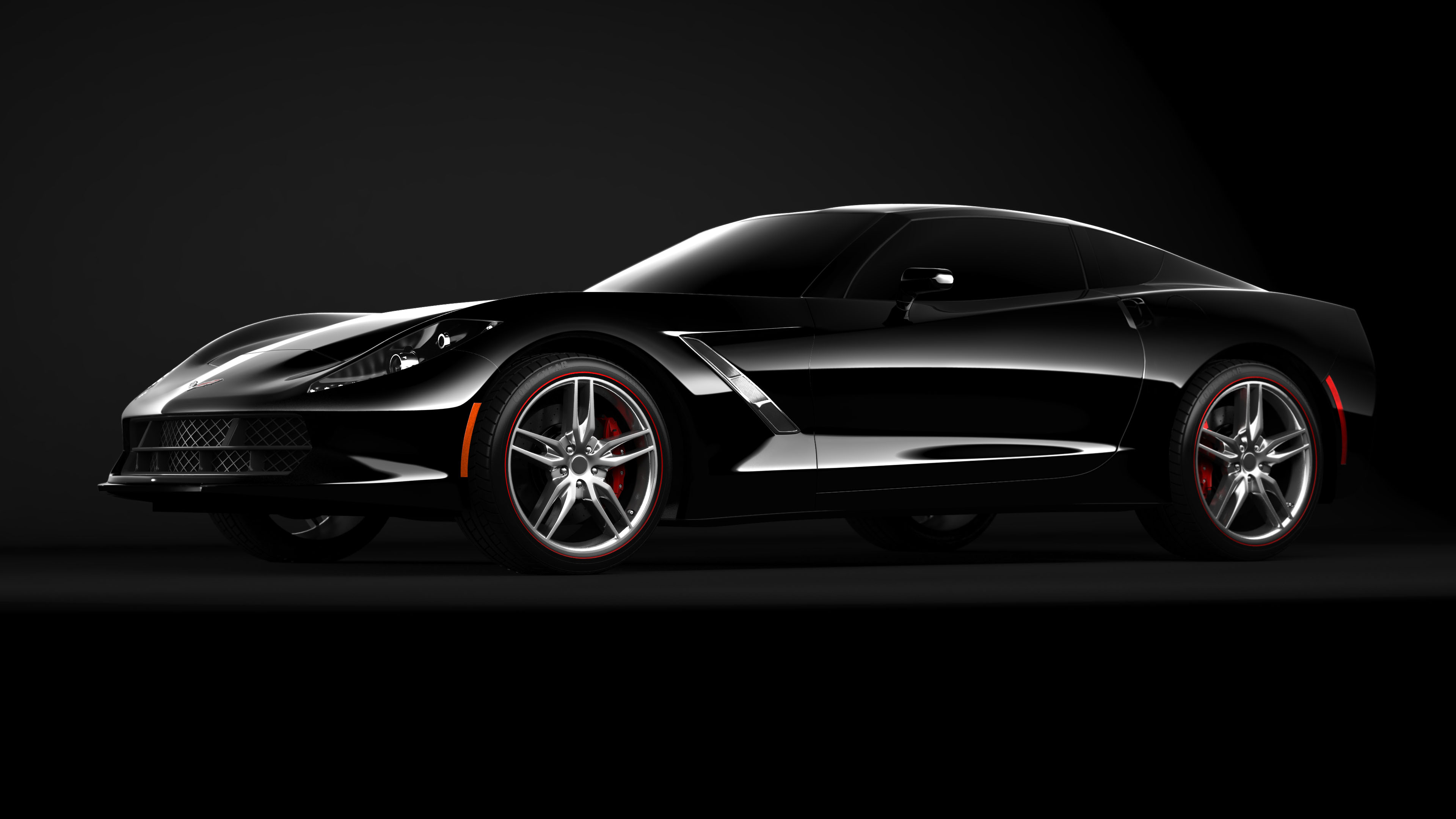
Car Animation Goes Viral!
About the Car Animation 3D Model Design To date, Trinity’s 3D car animation on YouTube has garnered over 500,000 views. Thanks to Jalopnik, Motor Trend and Yahoo News for making our C7 previz a front page item! Origins of the Car Animation In November 2011, Jalopnik posted drawings of what they claimed could be the actual, final […]
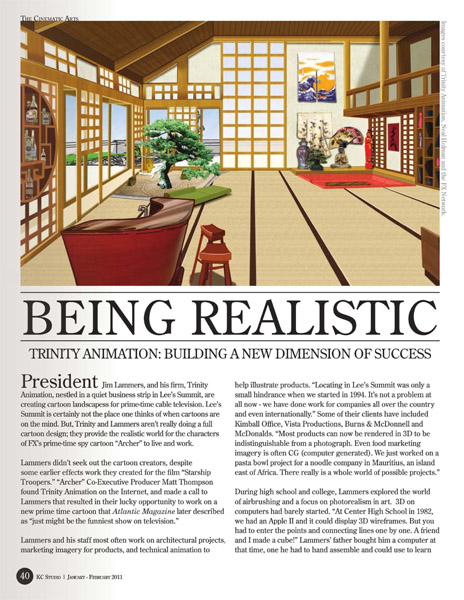
KC Studio Article on Trinity Animation Studio
[An article from the magazine KC Studio from Jan/Feb of 2011, featuring Trinity Animation Studio in Kansas City and their history and work on the Archer series.] BEING REALISTIC TRINITY ANIMATION: BUILDING A NEW DIMENSION OF SUCCESS Jim Lammers, and his firm, the Trinity Animation Studio, nestled in a quiet business strip in Lee’s Summit (southeast […]
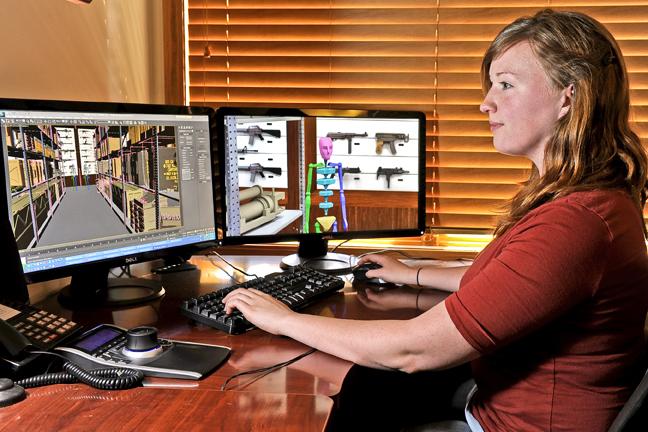
Kansas City Animation Studio Draws Growth
The Kansas City Business Journal wrote a feature on Kansas City Animation Studio Trinity Animation in 2010, discussing the company’s history and recent growth, in a section of the newspaper called “growth strategies.” The feature also touched on recent work for Floyd County Productions in creating background art for their hit series on FX “Archer.” GROWTH […]
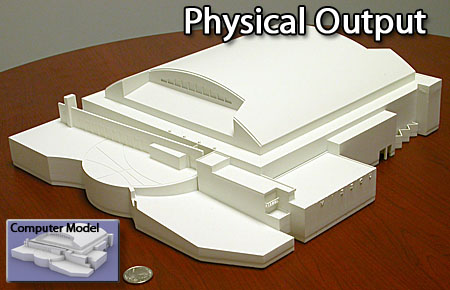
3D Printing Service for New Mizzou Basketball Arena
As the design for the new basketball arena for the University of Missouri took shape in 2003, R&D Prototype asked Trinity Animation to help develop a model that could be made to a physical “rapid prototype” via the laser sintering machines available at R&D. The process required a skilled animator to go through each element […]
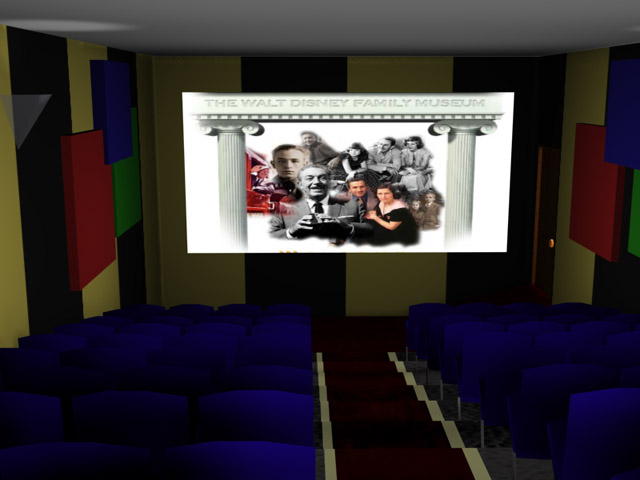
It’s a virtual world now for Disney museum
[Note – this article describes an early attempt to create a virtual world for interactive game-engine style online viewing, circa 2003. The virtual tour had to work on a web browser on a MAC or PC, and require no other software besides the Shockwave plug-in. The user was able to navigate and view any part of […]
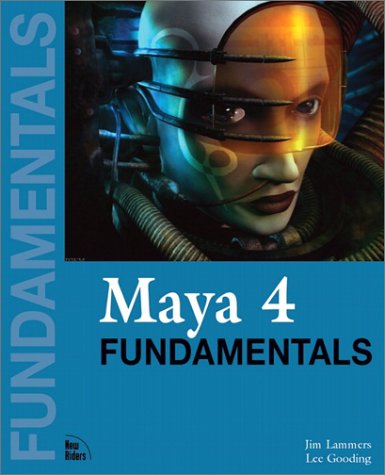
Maya 4 Fundamentals book published
Trinity Animation Founder Authors Maya 4 Book Trinity Animation’s president Jim Lammers co-authored this beginner’s book on Alias|Wavefront’s Maya version 4 with Lee Gooding in 2002. Lammers noticed that with the new, free, learning edition from Alias|Wavefront (called PLE for Personal Learning Edition) there would be a lot of interest in using Maya 3D software with little helpful documentation […]